
Views: 0 Author: Site Editor Publish Time: 2025-07-14 Origin: Site


When it comes to outdoor displays, which is better: LED or LCD? The two technologies are often compared, but each offers distinct advantages. Understanding the differences is crucial for selecting the right display for your outdoor environment.
In this post, we'll discuss the key differences between LED and LCD displays. You'll learn which one is more suitable for outdoor use, considering factors like brightness, weather resistance, and energy efficiency.
LED (Light Emitting Diode) is an advanced display technology that uses light-emitting diodes to produce bright, sharp images. Unlike traditional displays that require an external backlight, LEDs generate their own light when an electric current passes through a semiconductor material. This self-emission of light allows LEDs to display vibrant colors with high contrast, making them ideal for various applications.
A key advantage of LED technology is its energy efficiency. LED displays consume significantly less power than other display types, making them more eco-friendly and cost-effective over time. Furthermore, LEDs offer superior brightness, often surpassing other technologies in terms of visibility in bright or outdoor environments, even under direct sunlight. Their flexibility in design allows for innovative solutions, such as large-scale video walls, curved screens, and dynamic signage. These qualities make LED displays an excellent choice for both commercial and industrial applications, particularly where durability, brightness, and energy efficiency are essential.
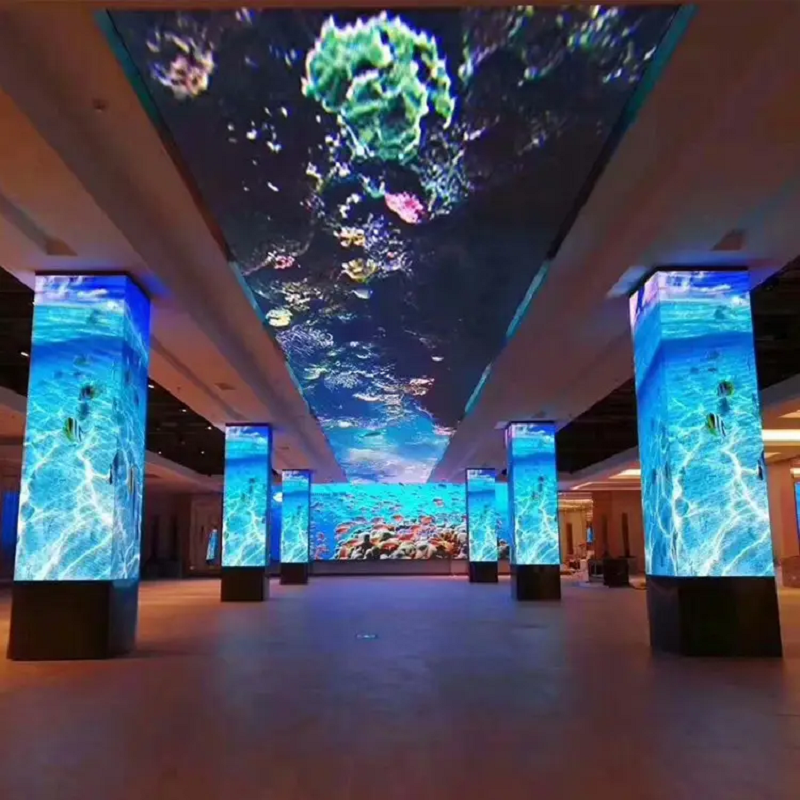
LCD (Liquid Crystal Display) is a widely used screen technology found in devices like smartphones, TVs, and computer monitors. Unlike LED displays, LCDs do not produce their own light; instead, they rely on a backlight to illuminate the screen. The display consists of liquid crystals sandwiched between two layers of glass or plastic. These crystals can twist and align when an electric current is applied, controlling the amount of light passing through and creating images.
The backlight used in LCDs is typically made from LEDs or, in older models, CCFLs (Cold Cathode Fluorescent Lamps). While LCD screens are generally thinner and more energy-efficient than older technologies, they fall short in brightness compared to LEDs. This makes them less effective for outdoor use, especially in bright sunlight, where the backlight may struggle to maintain visibility. Despite this limitation, LCDs are still widely used for indoor applications due to their good image clarity and affordability.
When choosing the right display for outdoor viewing, understanding the differences between LED and LCD technologies is crucial. Both have their unique strengths and weaknesses, but when it comes to outdoor environments, certain factors like brightness, viewing angles, weather resistance, and energy efficiency can make a significant impact on performance.
LED displays shine brightest when it comes to outdoor viewing. One of the key benefits of LED screens is their ability to produce very high brightness levels, often exceeding 8000 cd/m². This makes them perfect for bright outdoor environments like sports stadiums, outdoor billboards, or concerts. The ability to maintain clear visibility under direct sunlight sets them apart from other display types. In fact, LED screens perform exceptionally well even in high-brightness conditions, ensuring the display is legible from a distance, no matter the time of day.
LCDs, on the other hand, don’t fare as well in bright environments. While they can produce good clarity in indoor settings, they struggle to maintain adequate brightness under direct sunlight. The backlighting system used in LCD displays, typically fluorescent or LED-based, doesn’t allow them to achieve the same high brightness levels as LEDs. As a result, LCD screens can appear washed out in bright outdoor conditions, making them less effective for outdoor viewing where sunlight is prevalent.
Another area where LED displays excel is viewing angles. LED screens offer wide viewing angles, meaning the image quality remains consistent whether you’re standing directly in front of the display or at an angle. This is especially important for outdoor applications such as large billboards or stadium displays, where viewers may be spread across a wide area. The ability to maintain consistent color and brightness ensures everyone in the audience gets a great viewing experience.
LCDs, while great when viewed head-on, fall short in terms of viewing angles. The image quality can degrade significantly when viewed from the side, making them less suitable for outdoor applications where people might be viewing the display from different angles. While some high-end LCDs feature IPS (In-Plane Switching) technology to improve viewing angles, they still don’t match the performance of LED displays in this area. This limitation can be a major drawback when installing displays in large outdoor areas.
When it comes to outdoor environments, weather resistance is crucial. LED displays are built to handle extreme conditions, whether it’s intense sunlight, rain, dust, or temperature fluctuations. Their weatherproof casings and sealed components protect them from the elements, ensuring long-term reliability. Most outdoor LED displays are rated with an IP (Ingress Protection) rating that guarantees resistance to moisture and dust, making them perfect for all-year-round outdoor use.
In contrast, LCD displays are less suited for outdoor conditions. They need additional protective enclosures to shield them from rain, dust, and temperature changes. Without these protective measures, LCD displays can quickly degrade, and their performance will diminish over time. Moreover, the added cost of these enclosures makes LCD displays less ideal for fully exposed outdoor environments. This makes LED the clear winner when it comes to long-term durability outdoors.
Energy efficiency is another area where LED displays shine. These displays use much less power than their LCD counterparts, making them more energy-efficient. The LED technology allows each diode to emit light directly where it is needed, reducing unnecessary power consumption. This makes them not only better for the environment but also more cost-effective in the long run. Additionally, LEDs have an impressive lifespan, often exceeding 100,000 hours, which means fewer maintenance costs and replacements over time.
On the other hand, LCD displays rely on a backlighting system that consumes more energy. While modern LCDs have become more energy-efficient, they still consume more power compared to LEDs, particularly in high-brightness settings. Moreover, LCD screens tend to have shorter lifespans, and their backlights can degrade faster, leading to diminished image quality and the need for more frequent maintenance.
LED displays are often more expensive upfront compared to LCDs. The higher initial cost is due to the advanced technology and enhanced durability that LED displays offer. However, as LED technology has become more common and cost-effective, the price gap between LEDs and LCDs has started to narrow. In many cases, the initial investment in an LED display pays off in the long run due to its durability and energy efficiency.
While LEDs may come with a higher price tag initially, their long lifespan and lower energy consumption make them more affordable over time. Fewer repairs and replacements are needed, and their energy efficiency helps reduce operating costs. In contrast, LCD displays typically require more maintenance and have a shorter lifespan, which can lead to higher long-term costs. Their backlighting system can degrade more quickly, which also adds to maintenance expenses.
LED displays are often the better choice for most outdoor environments due to their exceptional performance in various key areas. The primary advantage of LED technology lies in its ability to deliver high brightness levels. This makes LED displays perfect for outdoor applications where high visibility is essential, such as billboards, stadium screens, and large-scale event displays. LED screens typically achieve brightness levels that can exceed 8000 cd/m², ensuring they remain visible even in direct sunlight.
Outdoor environments often subject displays to harsh weather conditions, including heavy rain, extreme temperatures, dust, and humidity. LED displays are designed to withstand these conditions, with weather-resistant casings and sealed components that protect them from moisture, dirt, and temperature fluctuations. This level of durability makes them ideal for long-term exposure in outdoor settings. Whether it's a rainy day or intense heat, an LED display is built to keep performing reliably.
Energy efficiency is another significant benefit of LED displays. LED technology consumes less power than traditional LCDs and other display technologies, helping reduce electricity costs over time. This is particularly important for outdoor installations where the screens may run for extended periods, such as advertising billboards or event screens. The lower energy consumption of LED displays also makes them more environmentally friendly.
In addition to brightness and energy efficiency, LED displays are highly versatile and can be configured in a variety of shapes and sizes. This makes them suitable for dynamic and creative applications such as flexible screens, video walls, and interactive digital signage. If you need a display that can adapt to different outdoor settings, an LED is the ideal choice. Furthermore, the long lifespan of LED technology, often exceeding 100,000 hours, means less frequent maintenance, leading to reduced long-term costs.
LED displays are perfect for large outdoor venues or events where viewers are spread out across various angles. The wide viewing angles and consistent brightness from different perspectives ensure that the display remains clear and visible to all attendees. Whether you’re organizing a sports event, concert, or public advertisement, LED displays guarantee excellent viewing quality from all parts of the venue.
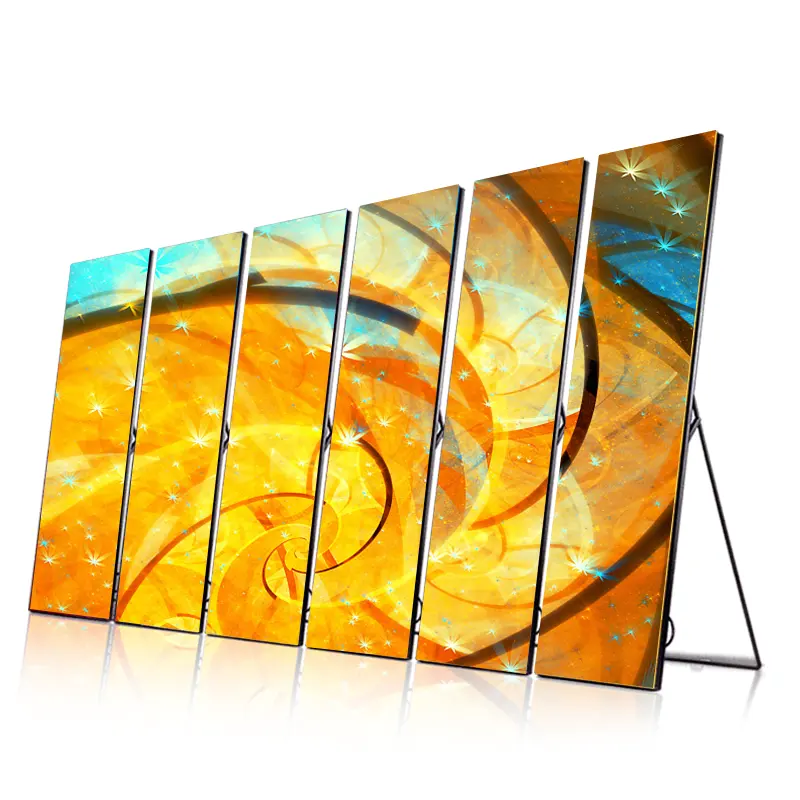
While LED displays are often superior for outdoor environments, LCDs can still be a good choice for certain scenarios. LCD displays are generally more cost-effective than LEDs, making them a viable option when budget constraints are a priority. They are well-suited for indoor environments or partially sheltered outdoor applications where high brightness is not a primary concern. For example, LCDs may work well in settings like outdoor kiosks, information displays in shopping malls, or under awnings, where the level of sunlight exposure is minimal.
One of the strengths of LCD displays is their ability to deliver sharp, high-quality images with good color accuracy. In environments where brightness isn't a significant challenge, such as indoor applications or covered outdoor areas, an LCD can offer a crisp viewing experience. LCD technology has advanced in recent years, and high-definition LCDs can still provide exceptional image quality, making them ideal for smaller-scale displays or situations where fine image detail is necessary.
Another consideration is the size of the display. While LED displays can be expensive, especially for large-scale setups, LCDs are typically more affordable for smaller applications. If you're installing a display that doesn’t require high brightness or a large viewing area, an LCD screen can offer a cost-effective solution without sacrificing too much image quality.
However, LCDs do have some limitations in outdoor settings. Due to their reliance on backlighting, LCDs cannot reach the same brightness levels as LEDs, which means they will struggle in bright sunlight. They also require additional protective enclosures to shield them from the elements, which can increase installation costs and reduce the display’s effectiveness in harsh weather conditions. LCDs are best suited for controlled outdoor environments where weather resistance and extreme brightness are not as critical.
| Feature | LED | LCD |
|---|---|---|
| Brightness | High brightness (up to 8000 cd/m² or more), perfect for direct sunlight. | Lower brightness, struggles in direct sunlight. |
| Weather Resistance | Built to withstand harsh outdoor conditions (IP-rated). | Requires additional enclosures for protection. |
| Energy Efficiency | More energy-efficient, reduces long-term operational costs. | Less energy-efficient, higher power consumption. |
| Viewing Angles | Wide viewing angles, ideal for large audiences. | Narrower viewing angles, image degradation from the side. |
| Durability | Long lifespan (up to 100,000 hours), minimal maintenance. | Shorter lifespan, more frequent maintenance. |
| Cost | Higher initial cost, but cost-effective in the long term. | More affordable upfront, but higher long-term costs. |
LED displays offer superior brightness, weather resistance, energy efficiency, and long lifespan, making them ideal for outdoor environments. They perform well in direct sunlight and harsh weather.
LCDs, however, can still be a good choice for smaller, sheltered outdoor displays where brightness is less of a concern.
For most outdoor scenarios, prioritize LED displays, but consider budget and specific needs when making a decision.
A: LED displays are better for outdoor use due to their higher brightness, energy efficiency, and durability, especially under direct sunlight.
A: Yes, LCD displays can be used outdoors in sheltered or low-light conditions, but they struggle in direct sunlight and require extra protection.
A: Brightness, weather resistance, energy efficiency, and long-term maintenance costs should be prioritized when choosing between LED and LCD for outdoor viewing.


